Vacation Rental Marketing Playbook / Food Tourism
The Flagship Guide
Food Tourism for Vacation Rentals
Travelers book with their appetite. I said that on camera in 2016 and the data has spent a decade catching up — and most owners still have not put a single plate of food in their marketing.
Key takeaway
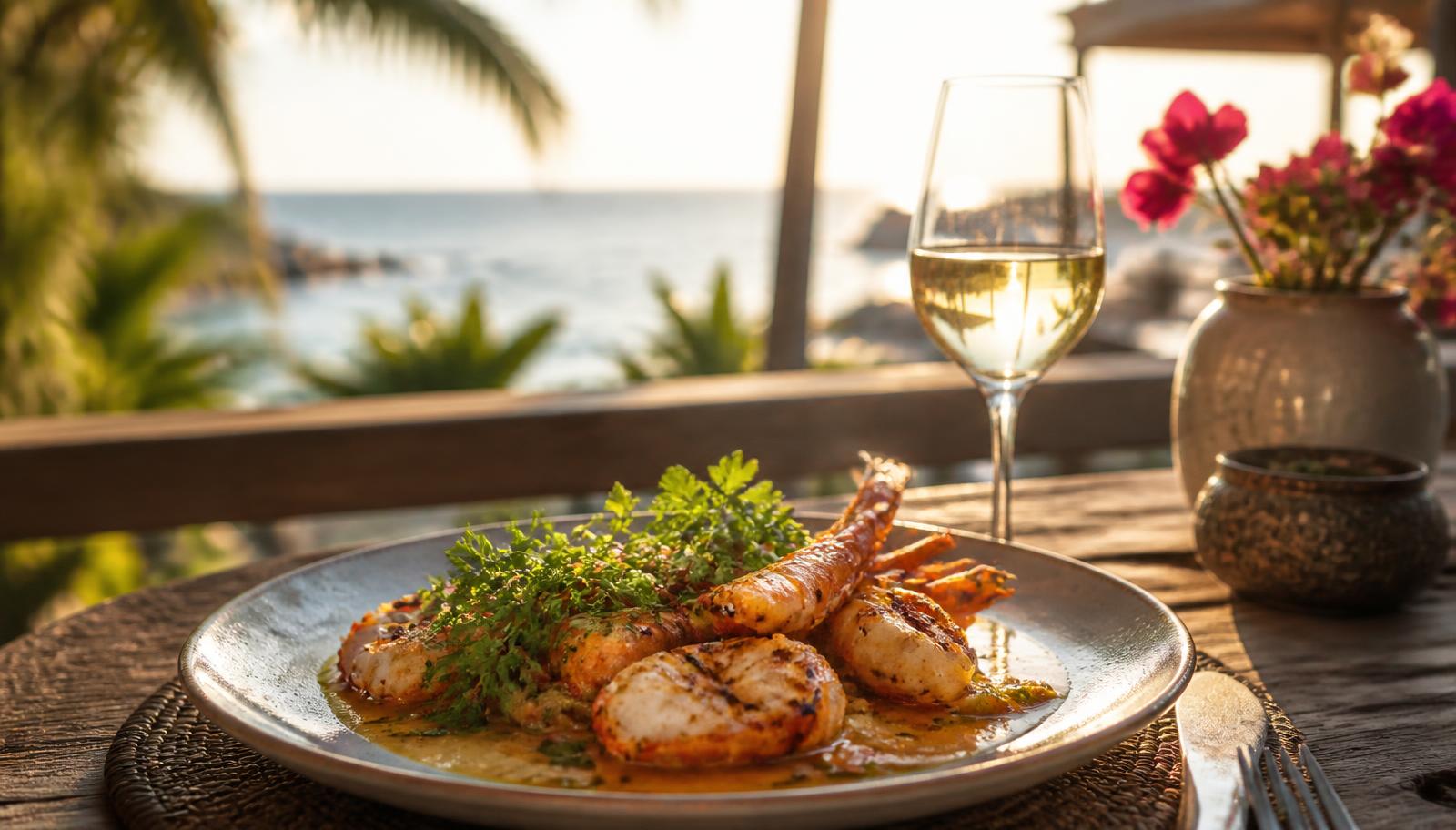
Food tourism is travel driven by what you will eat when you get there — and it is one of the most powerful, least used ingredients in vacation rental marketing. It works on two sides. Story: put food in your photos, your blog, your website and your social so travelers get hungry for the experience. Packages: bundle local dining into the stay or partner with nearby restaurants, because dining is cheap perceived value and a real reason to book direct. Both only work if you are specific — the actual dish, the actual place you would send a friend.
Ten years ago I recorded a video for vacation rental owners called How To Advertise A Vacation Rental Property Deliciously. The argument was simple and, at the time, a little strange: there is a term called food tourism, it has become huge, and almost nobody in this industry is using it.
I am writing this page because the argument aged extremely well, and because the gap I pointed at then is still open now. Travelers have spent a decade getting more food-driven, not less. Vacation rental marketing has barely moved. Scroll a hundred listings tonight and count how many contain a single photograph of something you would want to eat.
What is in here
- I called this in 2016 — then and now
- We buy with our eyes, and food is the shortcut
- Be specific, not generic: the po'boy rule
- Side one: put food in your photos
- Food in your content, your site and your social
- Side two: food in packages
- The curated local restaurant guide
- The proof: Blue Water Cove and the expert makeover
- Frequently asked questions
01I called this in 2016 — then and now
I want to put the receipts side by side, because the point of this section is not that I was clever. The point is that the direction of travel has been obvious for fifteen years and the industry keeps under-reacting to it.
When I made the video, the number I cited came out of Skift's 2015 report The Rise of Food Tourism, which drew on the 2013 American Culinary Traveler Report from Mandala Research: the share of US leisure travelers who travel to learn about and enjoy unique dining experiences grew from 40% to 51% between 2006 and 2013. In the same body of research, US tourism spending on food services topped roughly $201 billion in 2012 — nearly a quarter of all travel income.
A quarter of all travel money going into food, and a majority of leisure travelers organizing part of their trip around eating. That was a decade ago. Here is where it landed.
| Then — what I cited in 2016 | Now — 2025–2026 |
|---|---|
| The share of US leisure travelers who travel to learn about and enjoy unique dining experiences grew from 40% to 51% between 2006 and 2013. 2013 American Culinary Traveler Report, Mandala Research — via Skift, The Rise of Food Tourism, 2015 |
Roughly 50% of global travelers now reserve restaurants before booking flights, and nearly 1 in 5 plan their entire trip around specific restaurants or food experiences. Culinary tourism industry research, 2025 |
| US tourism spending on food services topped roughly $201 billion in 2012 — nearly a quarter of all travel income. Same Skift / OCTA report |
Millennials are the largest segment of culinary tourists, at roughly 40% of the market. Culinary tourism industry research, 2025 |
| Food tourism described as an emerging term worth paying attention to. | 77% of millennials travel to enjoy memorable eating and drinking experiences. World Food Travel Association, Food Travel Monitor |
Read the right-hand column again, slowly. Half of travelers are booking the restaurant before the flight. The dinner is being decided before the transport. Which means for a meaningful slice of your market, the food decision comes before the property decision — and the property that shows up inside the food conversation gets seen first.
This is the same pattern I have watched play out with every trend that eventually reshapes this business: it is visible in the data years before it is visible in the marketing. The owners who move on it early are not taking a risk. They are just reading.
02We buy with our eyes, and food is the shortcut
The line I have repeated for twenty years is that we buy with our eyes — and we tell the story through the images. That is the whole basis of my argument about vacation rental photography: nobody reads their way into a booking, they feel their way into one.
We buy with our eyes — and we tell the story through the images.
What I call sensual marketing appeal is simply marketing that speaks to the senses instead of the spec sheet. Square footage is information. A bowl of local mussels on a terrace table at seven in the evening is a sensation. One gets processed, the other gets felt — and feeling is what moves people.
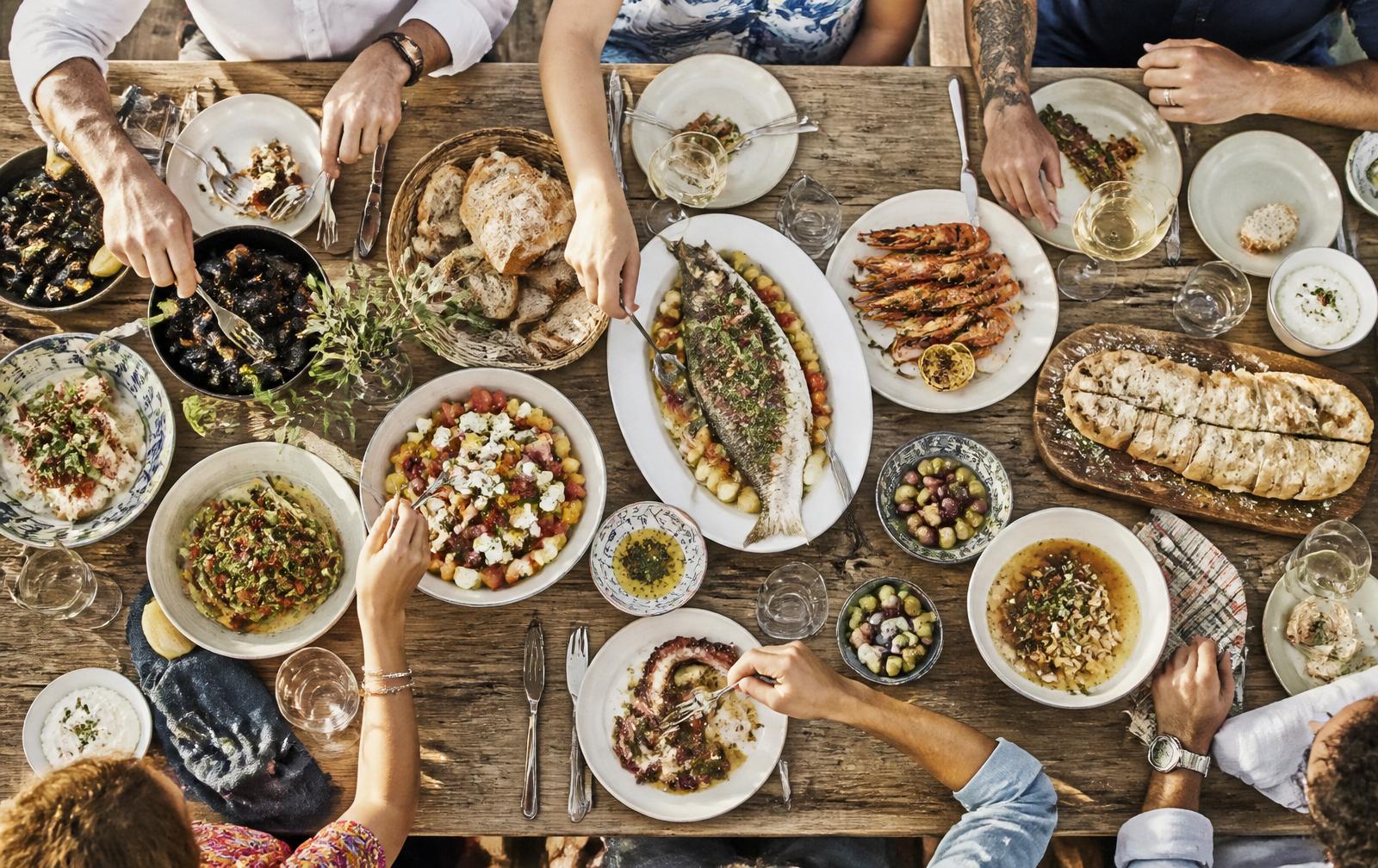
Food is the fastest sensory shortcut that exists in a photograph. You cannot photograph a smell. You cannot photograph the temperature of the air. But a well-shot plate does something close: people taste it a little bit in their mouths. That reaction happens before language, which is exactly why it works on a scrolling traveler who has not read a word of your listing yet.
Food also does something photography of an empty room can never do — it shows the property being lived in. An unoccupied kitchen is a fact. A kitchen with a meal on the counter and a bottle open is a vacation. Same room, entirely different argument.
03Be specific, not generic: the po'boy rule
Here is where most food marketing in this industry dies. "Great restaurants nearby." "Wonderful local cuisine." "Something for every palate." Those sentences are not recommendations. They are throat-clearing, and travelers skim straight past them because they carry no information and no personality.
I went to New Orleans partly to have jambalaya and a po'boy — to get in touch with the culture through the food. That is not a generic statement. It is a specific dish, in a specific place, that shaped the decision to go. That is how food actually works on a traveler: not "the dining is excellent," but a po'boy.
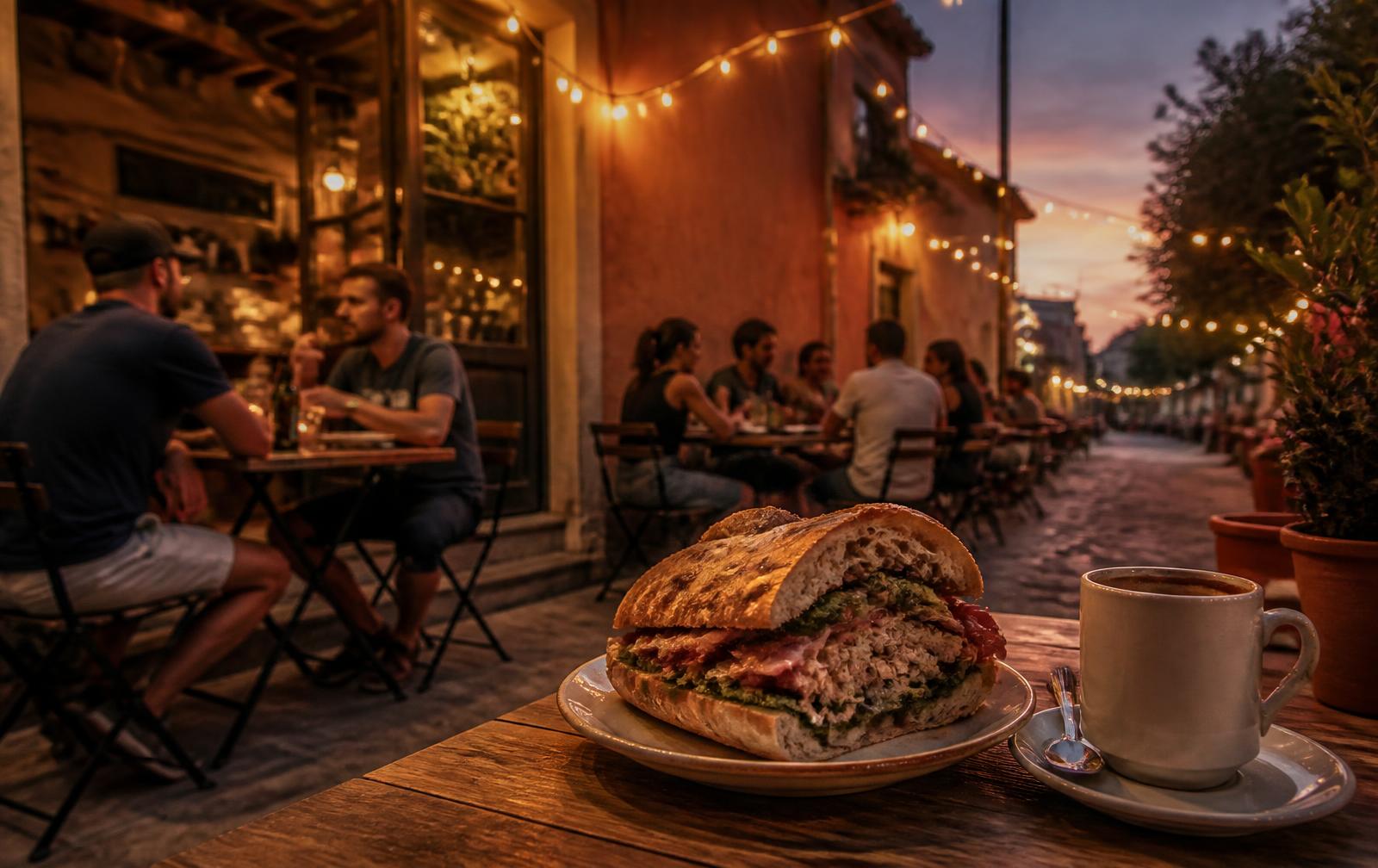
Every destination has these. The Cuban sandwich. The scallops off the boat. The lobster roll from the shack with eleven parking spaces. The tacos from the truck that only shows up on Thursday. Those are the details that make a traveler picture themselves in your destination instead of a destination.
The rule
Recommend what you actually know. If you have not eaten there, do not send guests there. Authentic local knowledge is the asset; generic filler is worse than saying nothing, because it tells a traveler you do not really know your own town.
Your job here is to be the expert who leads guests to the best places. That is a genuine competitive advantage over any listing anywhere, because the platform cannot supply it and a distant owner usually will not bother. It is also the same instinct behind everything on storytelling and brand building: specificity is credibility.
04Side one: put food in your photos
This came out of an expert-panel makeover I did years ago with other people in the industry, and it has stuck with me since: presenting food in listing photography is something almost no one is doing. It is one of the largest unclaimed opportunities in the whole gallery.
Think about what a normal listing gallery contains. Empty living room. Empty bedroom. Empty bathroom. Empty terrace with four unoccupied chairs. It reads like a real estate inspection, and it is being shown to somebody who is trying to imagine a holiday.
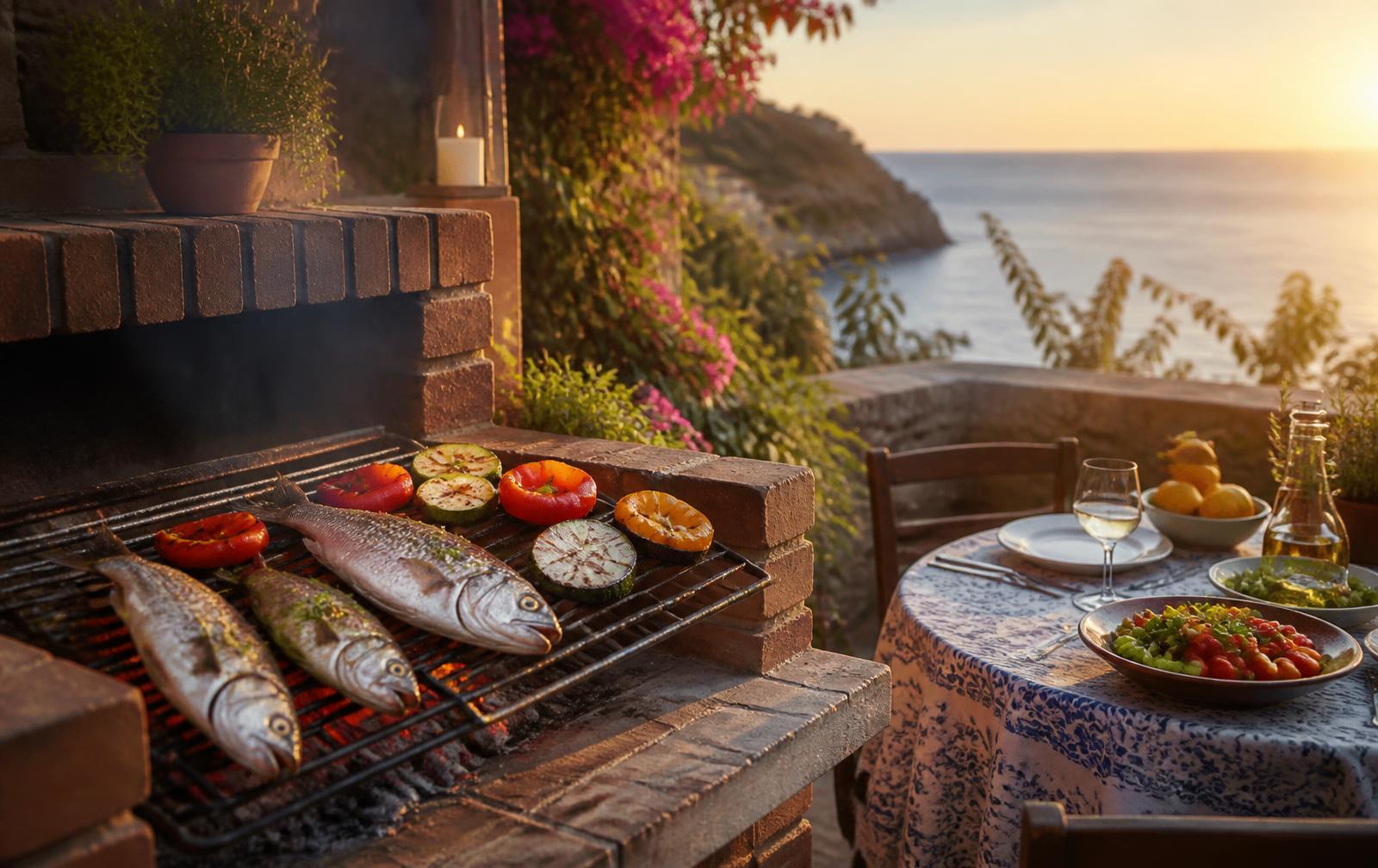
One owner I featured on that video had done it properly — a property in Spain with fresh fish on a brick barbecue out on the terrace. It is a photograph of dinner, and it sells the terrace ten times harder than a photograph of the terrace does. You are not looking at outdoor furniture any more. You are looking at your own Thursday night.
The tactics are not complicated:
- Shoot the grill in use, not the grill sitting cold in a corner.
- Set the outdoor table properly for one shot — plates, glasses, food, the view behind it.
- Put a real breakfast on the kitchen island: local bread, local fruit, coffee.
- Shoot the walk — the market, the bakery, the coffee place five minutes away.
- Shoot at golden hour where you can, and stay honest in the edit: enhance reality, do not invent it.
That last point is not decoration. It is the same honesty rule I set out in the photography pillar, and it applies harder to food because food is so easy to over-promise. If the barbecue is small, shoot the small barbecue. If the restaurant is a twenty-minute drive, say twenty minutes. The goal is a guest who arrives and thinks this is exactly what I paid for.
05Food in your content, your site and your social
Photography is where food enters the listing. Content is where it earns you traffic.
A "top ten places to eat" post about your town is one of the easiest genuinely useful pages a rental business can publish, and it does three jobs at once. It answers a question every one of your guests is already typing into a search box. It demonstrates local expertise better than any "about us" page. And it gives you something to link to from your confirmation emails, your guest book and your social — content with a life beyond the week it was published. That is the whole argument of content marketing for vacation rentals, applied to the subject travelers care most about.
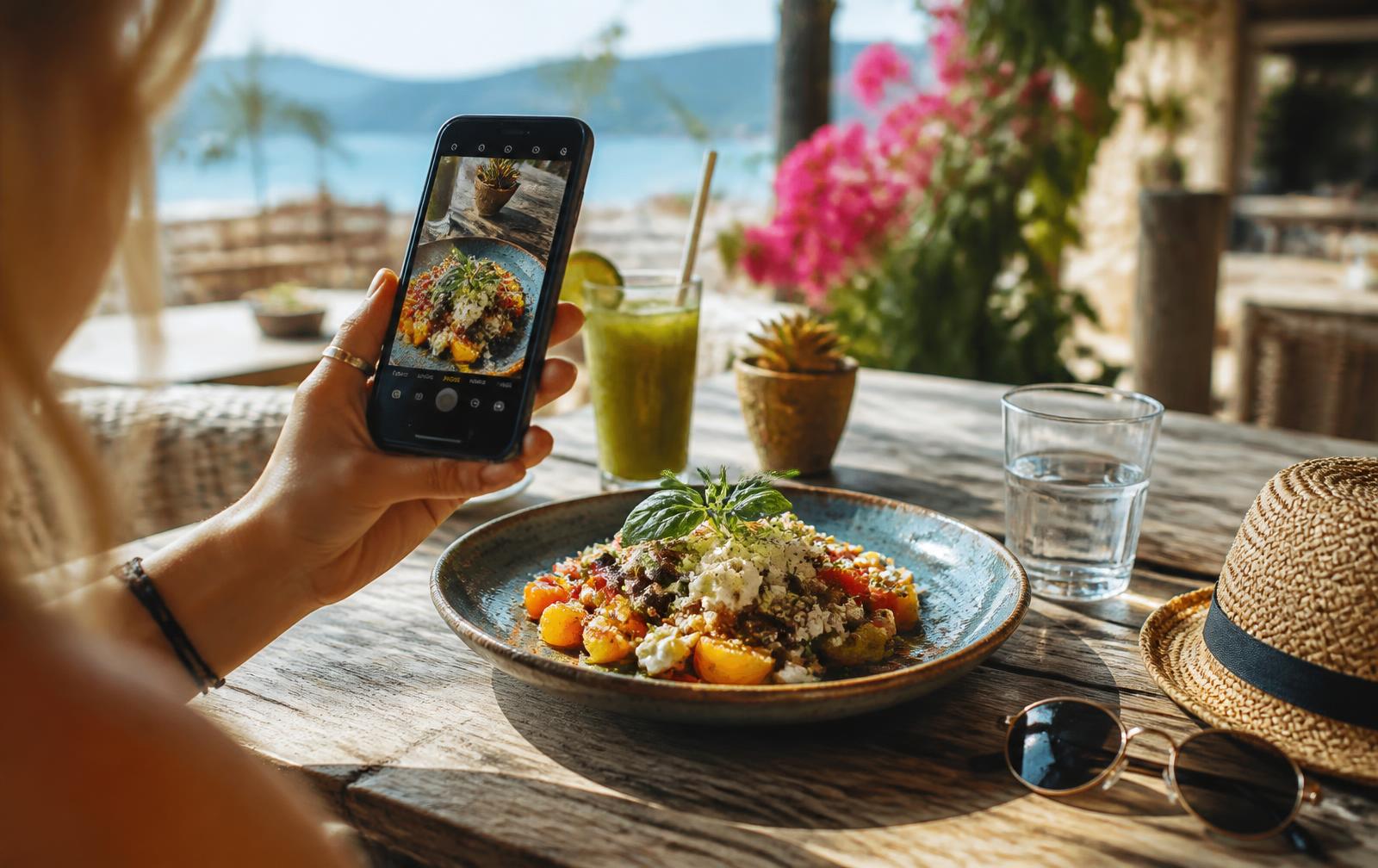
Social is where food compounds. A plate needs no caption to work, it stops a scroll in a fraction of a second, and — this is the part owners underrate — guests post it for you without being asked. Nobody photographs a well-made bed. Everybody photographs dinner. Which means the restaurant you recommended on Tuesday is doing unpaid marketing for your property on Wednesday. All the mechanics of turning that into a system live in the social media pillar; food is simply the most reliable fuel to put through it.
And put it on your own site, not only on a platform. Food content on a page you own works for you permanently — in search, in AI answers, and in the mind of a traveler who is still three months out from booking anything.
06Side two: food in packages
The second half of the argument is the commercial one, and it is where food quietly beats almost every other add-on you could offer.
Perceived value is what a guest believes they are getting for the price. Attraction tickets buy perceived value expensively — theme park admission for a family is a serious cost against a nightly rate. Dining buys it cheaply. A welcome dinner, a restaurant credit, a partner discount at the place two streets over: modest cost to you, immediately understood by the guest, and used on the first night while they are still forming an opinion of the whole trip.
When I first made this argument, the mechanism I demonstrated was a third-party tool for buying discounted restaurant certificates and bundling them into a stay. The specific tool matters much less than the move, and the modern version is better anyway: go and talk to the restaurants near your property. Agree a guest offer. Put their name in your welcome materials, and let them put yours behind their counter.
- Welcome-night dinner. The most valuable meal to remove friction from — arrival day, everyone is tired, nobody wants to cook or research.
- Partner perks. A standing discount at three or four local places for your guests, arranged directly. Costs you nothing but the conversation.
- Seasonal food packages. A harvest weekend, a seafood season, a festival week — built around what is actually happening locally.
- Grocery or market pre-stock. Local produce waiting in the kitchen instead of an empty fridge and a supermarket run.
Every one of those is a reason to book direct. That is the strategic value: a perk you negotiated belongs to you, not to a platform, so it can only be honoured on your own site. It is a tangible answer to "why should I book here instead of there" that does not involve discounting your rate — which is the position everything in the vacation rental marketing playbook, and every engagement in our vacation rental marketing practice, is built to get you into.
07The curated local restaurant guide
I wrote about this back in 2012 and I would not change much, other than the software.
A local restaurant guide is not a list of every place within five miles. It is a handpicked best-of, and the craft is in the spread. Include the hole-in-the-wall that does the best bacon burger in town. Include the best pizza. Include several cuisines. Include the cheap and cheerful alongside the special occasion, because your guests are not all the same person and neither are their budgets.
The mistake owners make is curating to their own palate. You are not building a list of your favourite restaurants; you are building a list that fits the guest's taste. A family of five with two picky kids and a couple celebrating an anniversary need entirely different answers, and a good guide gives both without either having to guess.
Borrow their reviews
A restaurant with hundreds of excellent reviews has already done the persuasion work. Point your guests at it and that credibility transfers to you — you become the person with good taste. Use Google, TripAdvisor or Yelp to check a place is still good before you send anyone; ratings and ownership change, and a stale recommendation costs you more than no recommendation.
Two practical notes. Keep it current — a guide recommending a restaurant that closed last spring reads as neglect. And write it in your own voice, with a line on why each place is on the list and what to order there. "Best pizza in town" is fine. "Get the clam pie, sit at the bar, they stop serving at nine" is the version a guest screenshots.
08The proof: Blue Water Cove and the expert makeover
Two pieces of real work sit behind this page.
The first is Blue Water Cove on Singer Island. We went on location and shot the experience rather than the unit — and food was a substantial part of that, including a dedicated shoot around the waterfront restaurants and the local dining scene. That was a deliberate decision. A traveler evaluating a beach property is not only asking what the bedroom looks like; they are asking what Friday night looks like. Photographing the dining scene answers a question the property photos cannot.
The second is the expert-panel makeover I took part in with Tyann Marcink and Mercedes Brennan. That is where the food-in-photos observation came from — reviewing real listings with other practitioners and noticing the same absence in gallery after gallery. Tyann is known in the industry as the Queen of Guest Experience, and the panel format is exactly why the insight was worth keeping: several sets of experienced eyes on the same listing, all landing on the thing that was missing.
Both of those are on the record and both are part of the pattern in our track record: the properties that market the experience outperform the properties that market the square footage.
09Bring your local cuisine into the presentation
So here is the whole thing in one paragraph. Food tourism is real, it is large, and it has been growing steadily for twenty years while vacation rental marketing has mostly ignored it. It costs you almost nothing to act on: a few photographs with food in them, a genuinely useful guide to eating in your town, a conversation with the restaurant down the street, and the discipline to name the actual dish instead of gesturing at "great local dining."
Do that and you stop being a property with a kitchen. You become the local expert who happens to have somewhere for people to sleep — and that is a much harder business to compete with.
Bring your local cuisine into your presentation. You should be the expert who leads them to the best places. Do that, and you have mastered a great presentation.
— Jay William, Founder, Villa Marketers
Start a strategy call See the Blue Water Cove buildKeep going
Vacation rental photography Pillar Social media marketing for vacation rentals Pillar Content marketing for vacation rentals Pillar Vacation rental storytelling Pillar Create a vacation rental brand Guide The vacation rental expert makeover StoryFrequently asked questions
What is food tourism for vacation rentals?
Food tourism is travel motivated by food and drink — choosing a destination, and increasingly a property, because of what you will eat while you are there. For vacation rentals it means treating the local dining scene as part of the product you are selling rather than as background information. The share of US leisure travelers who travel to learn about and enjoy unique dining experiences grew from 40% to 51% between 2006 and 2013, according to the 2013 American Culinary Traveler Report from Mandala Research, cited in Skift's 2015 report The Rise of Food Tourism. The trend has only accelerated: research published in 2025 found roughly half of global travelers now reserve restaurants before they book flights.
How do I use food in my vacation rental marketing?
Two ways, and most owners do neither. First, story and presentation: put food into your listing photography, your website, your blog and your social — a dish on the terrace table, fresh fish on the grill, the local market a five-minute walk away. Second, packages and partnerships: bundle local dining into a stay, or partner with nearby restaurants for a guest perk, so booking direct comes with something an OTA listing cannot match. Alongside both, be specific. Name the actual dish and the actual place you would send a friend to, not "great restaurants nearby."
Should I include restaurant recommendations for guests?
Yes, and they should be handpicked rather than scraped. Recommend a spread that matches the range of guests you host: the hole-in-the-wall with the best bacon burger, the best pizza in town, a few different cuisines, the special-occasion place — not only the five-star options you would pick for yourself. Match the recommendation to the guest's taste, not the owner's. And borrow the restaurants' own reviews: a place with hundreds of great reviews on Google, TripAdvisor or Yelp is doing your persuasion work for you when you point guests to it.
How do food packages increase bookings?
Because dining is inexpensive perceived value. Bundling local restaurant credit, a welcome dinner or a partner discount into a stay costs far less than adding attraction tickets, and it lands as something the guest will genuinely use on the first night. It also gives you a reason to be booked directly: the perk lives with you, not with the platform, so the direct rate carries something the OTA listing cannot show. Partner with restaurants near the property, agree a guest offer, and present it as part of the stay rather than as a coupon.
Why does food matter for vacation rental social media?
Because food is the most shareable thing a traveler encounters. A plate photographs well, it needs no explanation, and guests post it without being asked — which turns their dinner into your marketing. Food is also endlessly repeatable content for you: the market haul, the local dish, the sunset table on the terrace, the five-minute walk to the best coffee in town. It gives a property account something to say between bookings, and it reaches people who are dreaming about a trip long before they are shopping for one.