Case Studies/The Rather Shacks/Engagement: 2026 · Documented: August 2026

    Their property pages were not on their website. Now they are.

    The Rather Shacks were funding an asset they did not own. We rebranded them, moved every property onto their own domain, and two weeks after launch Semrush recorded 1.3K organic traffic at +100%.

    See More Work
    The short answer

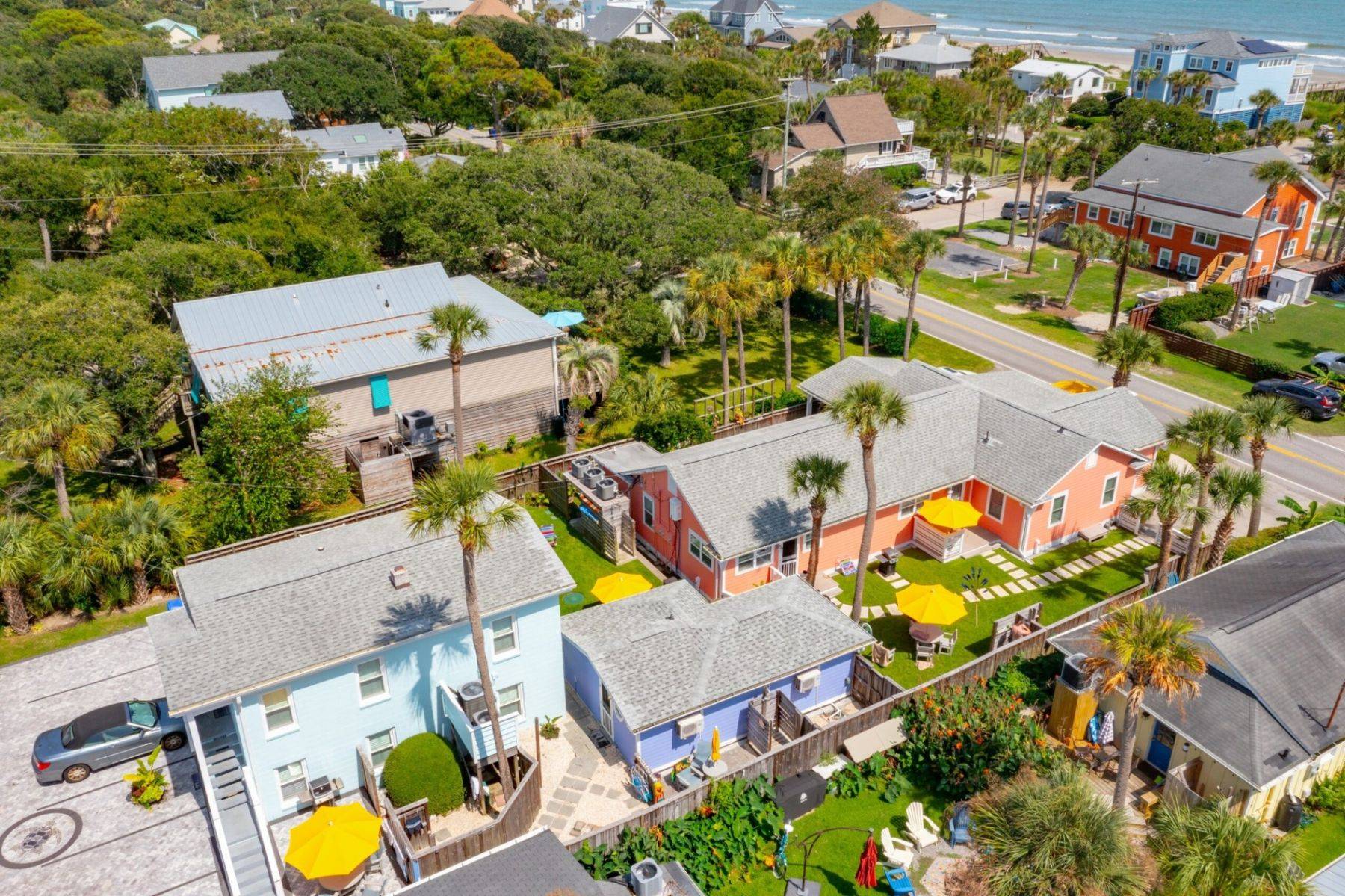
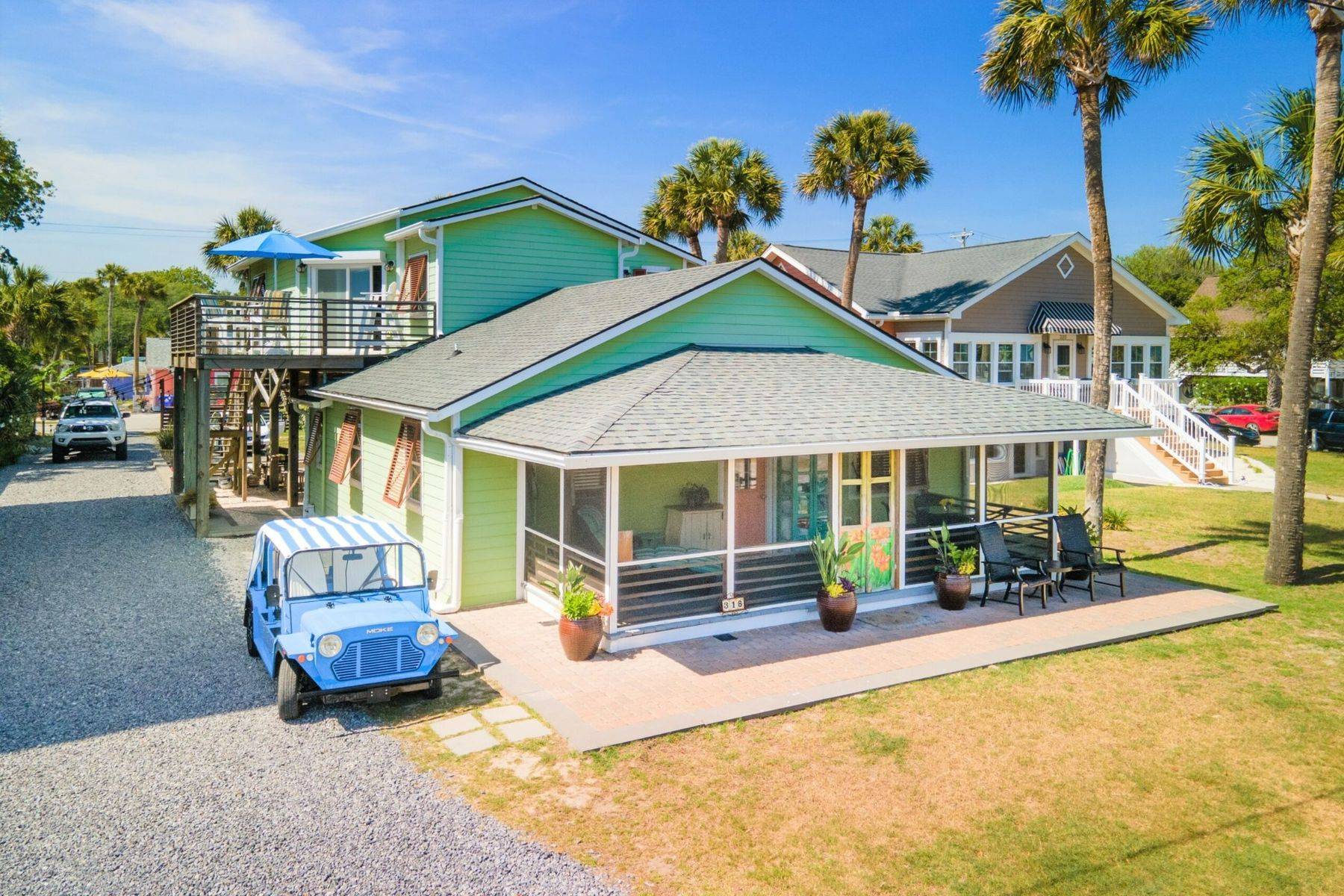
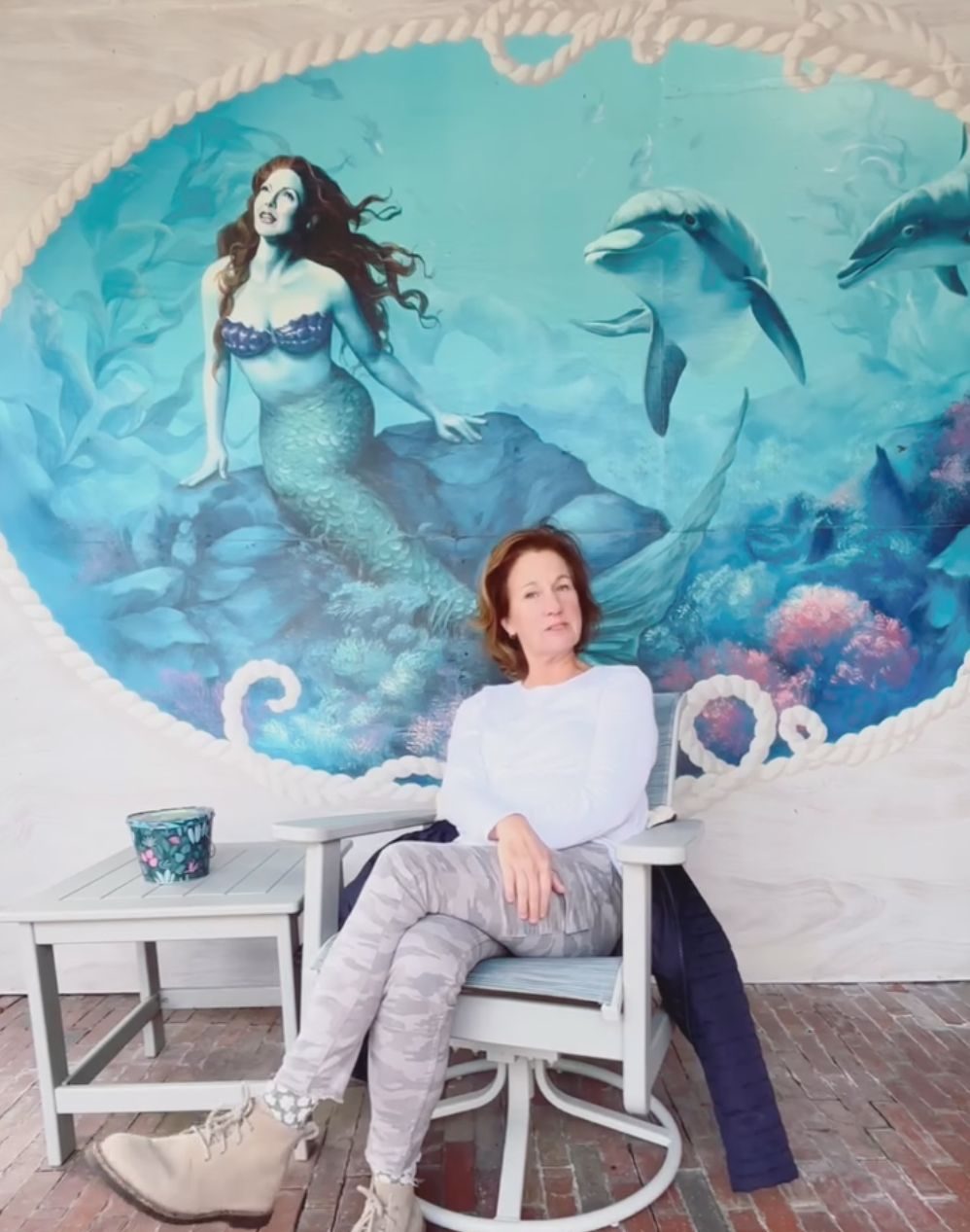
    The Rather Shacks, owned by Cat and Sam, came to Villa Marketers for a rebrand. In the first consultation we found something nobody had raised with them: their property pages were not served from their own website. They lived on their property management platform, so the relevance and authority those pages earned accrued to the software vendor’s domain instead of the client’s. We elevated the brand rather than replacing it, drew a mermaid motif from a mural inside one of their own properties, and rebuilt the site so every property lives on theratherhacks.com. Two weeks after launch, Semrush recorded 1.3K organic traffic at +100%, AI Visibility 35, and 34 cited pages.

    Client / brand
    The Rather Shacks — theratherhacks.com
    Owners
    Cat and Sam
    Engagement type
    Rebrand of an existing brand and website, not a new launch.
    Scope delivered
    Full rebrand (logo, colour palette, typography, design elements), website restructure, and content marketing.
    Diagnostic finding
    Property pages were served from the client's software platform's domain, not their own. Signals accrued to the vendor.
    Signature detail
    A mermaid motif taken from a mural inside one of their properties.
    Launched
    Approximately two weeks before August 12, 2026.
    Measurement source
    Semrush domain overview, theratherhacks.com · Worldwide · Desktop · August 12, 2026
    The engagement

    A rebrand that started with an architecture problem.

    01

    What we inherited

    A beach brand with real personality and nowhere to put it.

    The Rather Shacks already had taste. Cat and Sam had built a beachy, colour-forward identity that felt like their properties feel, and guests responded to it. The problem was never the personality. It was that the personality had no structure underneath it: a logo that had aged past the standard of the homes, a website that read as a directory rather than a destination, and a booking path that asked the guest to do the work. This was a rebrand, not a launch. Our job was to raise the ceiling on something that already existed.

    02

    The consultation

    Their property pages were not on their website.

    In the original consultation I looked for the property pages and could not find them on the client's own domain. The site linked out. Every property lived on the software platform that ran their operations, served from that vendor's hostname, and the client's website functioned as a set of doors into somebody else's building. They had been marketing for years. They had earned attention, links, and repeat guests. None of it was landing where it should.

    03

    Why that matters

    Signals attach to the hostname that serves the document.

    Search engines and answer engines attribute a page's relevance and authority to the domain that serves it. If the property page is served from a vendor's domain, the vendor's domain accumulates the topical relevance, the links, the engagement history, and the citation record. The client pays for the traffic and the vendor keeps the asset. It is not a bug in the software; it is the architecture. But it means an operator can spend a decade building equity into a property they are renting from a company they do not control, and the day they change platforms it goes to zero.

    04

    Why they chose us

    Nobody else had told them.

    Cat and Sam had worked with website companies before and it had not gone well. By their own account, the moment we identified this — a structural problem that had never been raised with them — was the moment they knew who they were working with. I include that because it is their reading of the engagement, not a claim I would make on my own behalf. Diagnosis is the part of this work that is hardest to sell and hardest to fake.

    05

    The rebrand

    Elevate what they had. Do not replace it.

    We kept the beach and raised the standard. A refined logo, a disciplined colour palette that keeps the warmth without the noise, considered typography, and a set of design elements that carry across the site rather than decorating individual pages. We also used what they already owned, including their video, because footage of the real properties will out-perform anything invented for a brand deck. The brief was refinement, not reinvention.

    06

    The signature detail

    The mermaid came off a wall inside one of their properties.

    There is a mural inside one of the Rather Shacks homes with a mermaid on it. Guests see it. It is part of the experience of staying there. We took that mermaid and made it part of the brand identity, so a physical detail from inside a real property became a mark the brand carries everywhere. This is the kind of thing that cannot be bought from a logo marketplace, and it is the difference between a brand that describes a place and a brand that comes from one.

    07

    The restructure

    The properties came home.

    We rebuilt the site so that every property lives on theratherhacks.com as a real page with real content, real imagery, and a booking path that starts and finishes on the client's own domain. That is the structural change. Everything downstream of it — the reduced friction on the path to booking, the higher-quality presentation, the increased engagement, the elevated perception of the brand — sits on top of a site that can finally keep what it earns. We layered content marketing on top so there is something to keep earning with.

    The mermaid

    A mark that came off a wall, not a mood board.

    Inside one of the Rather Shacks properties there is a mural with a mermaid on it. Guests photograph it. It is part of what people remember about staying there. We took that mermaid into the identity system, so the brand now carries a detail that exists physically inside the product it sells. Every operator can buy a palette. Very few have something on a wall worth building a brand around.

    Asset slot — mermaid mural photograph and mermaid markAwaiting files from the brand package.

    Identity, before and after

    The same brand, held to a higher standard.

    Asset slot — prior logo

    Before · Previous identity

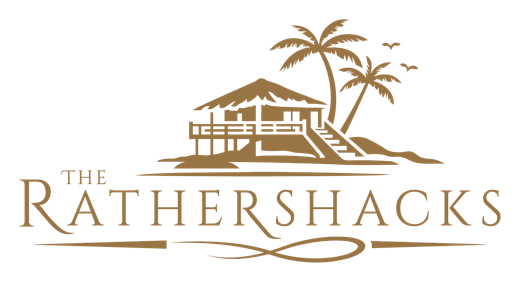
    Asset slot — new logo

    After · Villa Marketers rebrand
    Website, before and after

    From a set of doors into somebody else’s building to a site that holds its own inventory.

    Asset slot — previous website screenshot

    Before · Property pages served from the software platform’s domain
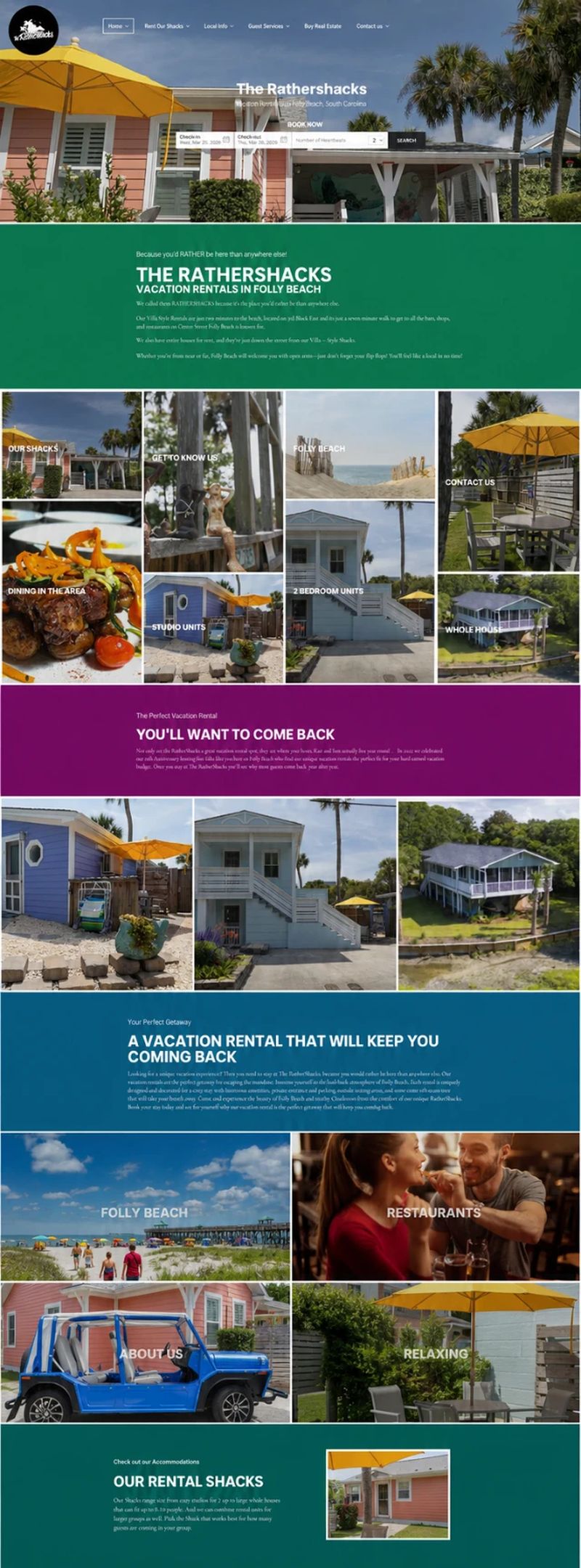
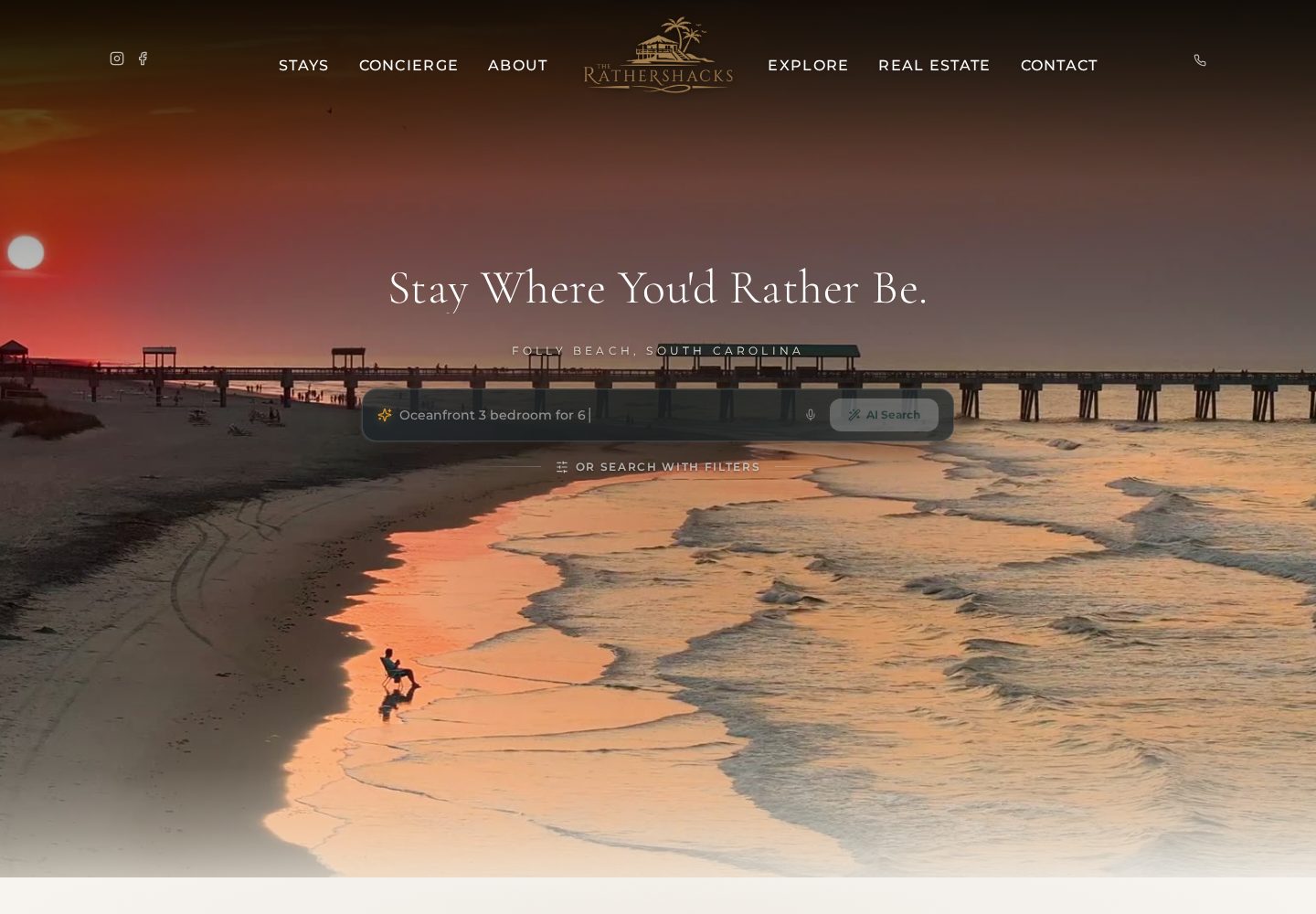
    The Rather Shacks website after the rebrand, shown on desktop with the new identity and property pages hosted on the client's own domain
    After · Every property lives on theratherhacks.com
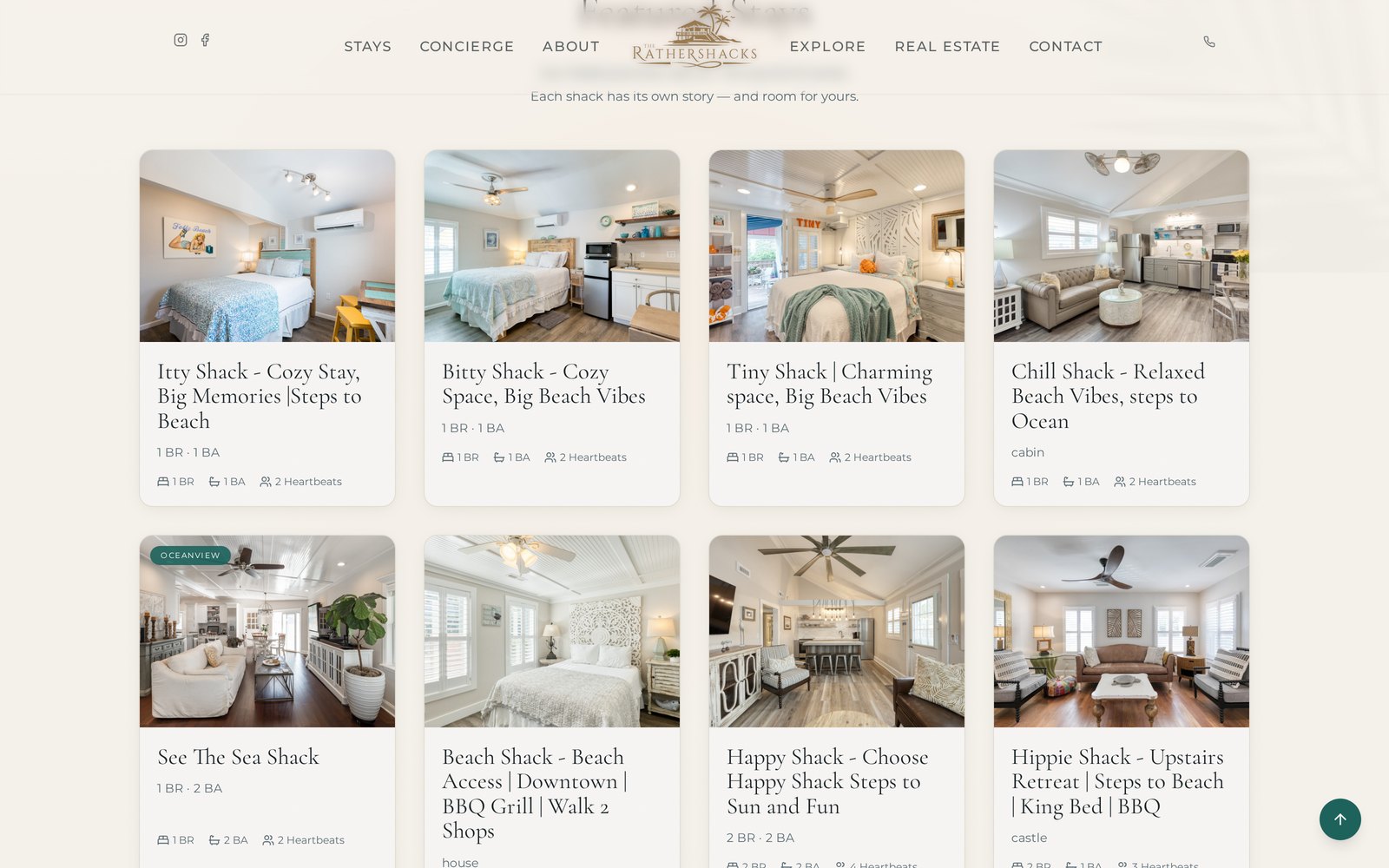
    Property listing pages on the rebuilt The Rather Shacks website, each served from the client's own domain
    Property pages, now first-party
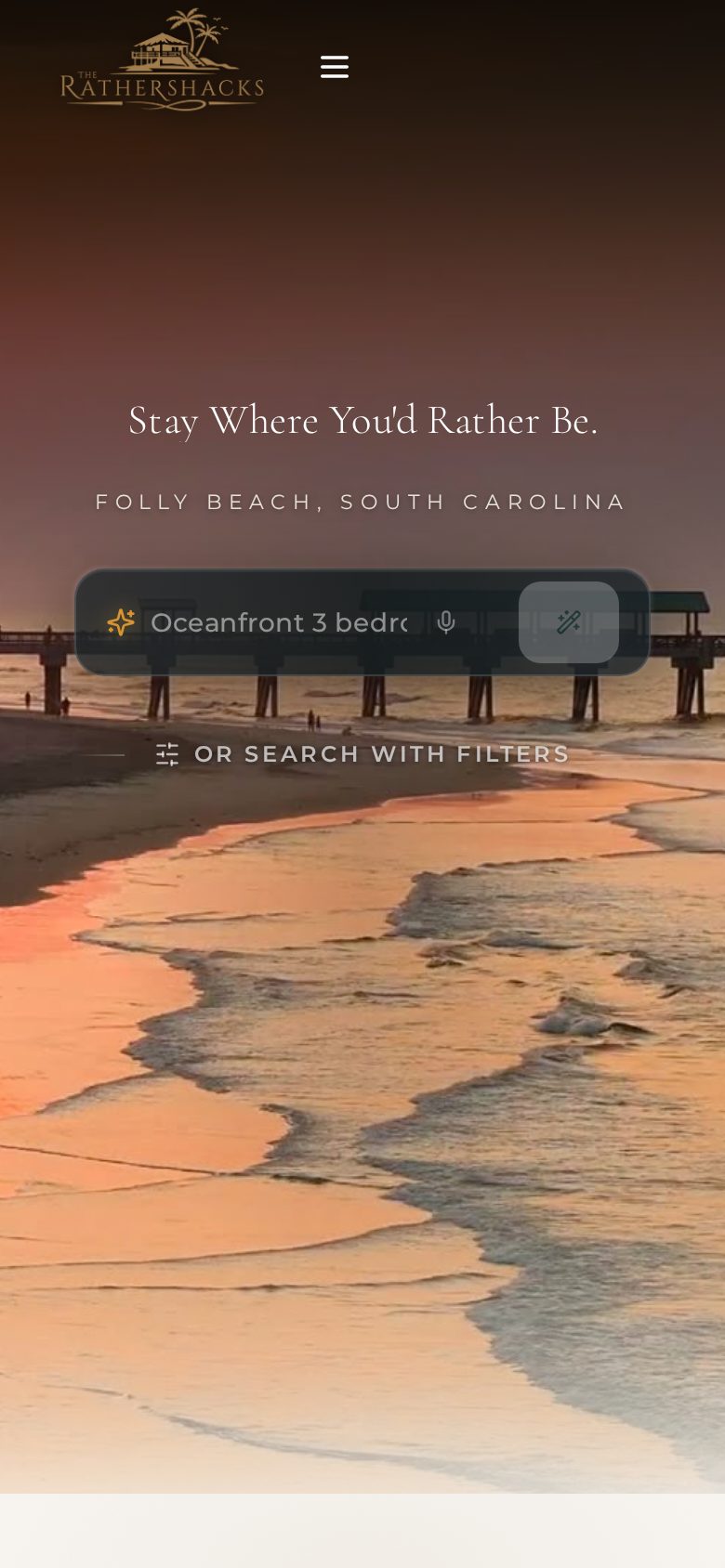
    The rebuilt The Rather Shacks website shown on mobile, with a shortened path from browsing to booking
    Mobile · a shorter path to booking
    Observed, two weeks after launch

    What the numbers look like when the site finally keeps what it earns.

    35

    AI Visibility

    Semrush AI visibility index for the domain.

    13

    AI Mentions

    Times the brand surfaced inside AI answers.

    34

    Cited Pages

    Pages on their own domain cited as sources.

    1.3K

    Organic Traffic

    Estimated monthly organic sessions, +100%.

    124

    Referring Domains

    Distinct domains linking to the brand.

    Organic traffic change

    1.3K +100%

    Estimated monthly organic sessions for theratherhacks.com, doubled against the prior reading.

    Source: Semrush domain overview, theratherhacks.com · Worldwide · Desktop · August 12, 2026

    How to read this

    Two weeks is a short attribution window and August is peak season for beach rentals, so treat these as observed figures on a stated date rather than as a claim about what caused them in full. What I will attribute is the mechanism. The property pages now live on the client’s own domain, which means the client’s own domain can earn and keep the signals those pages generate. That is a structural change with a clear causal logic, and it is a better argument than a percentage.

    Why we are publishing it this early

    The interesting fact is not the size of the number. It is how early it appeared. Thirty-four pages on their own domain are already being cited, on a brand that has been serving those pages for a fortnight. This is what two weeks looks like, which is why we are publishing it as a starting position rather than a finish line. We have not measured rankings, bookings, or revenue, so we are not reporting them.

    In the client’s words

    Cat and Sam left a Google review.

    Verbatim Google review pending
    The review exists and it is central to this page. It is deliberately not reconstructed here. The verbatim text will be placed in this slot, attributed to Cat and Sam, with the star rating taken from Google rather than assigned.
    What this means for other operators

    Go and look at where your property pages are actually served from.

    This is a five-minute check and most operators have never run it. Open your website, click through to any individual property, and read the address bar. If the hostname changes to your software provider, every signal that page earns is being deposited in an account you do not hold. You are paying for the marketing and renting the result. The moment you change platforms, it goes with the platform.

    I have been marketing vacation rentals since 2005 and this pattern has quietly become one of the most expensive defaults in the industry, because the software is genuinely good at operations and nobody framed the hosting question as a marketing question. It is. Airbnb and Vrbo already own the guest relationship on their side of the fence. Handing your own property pages to a third hostname means the one channel you were supposed to control is not fully yours either.

    The fix is structural rather than clever. Your properties become real pages on your own domain, your brand carries something specific enough to be remembered, and your content earns citations that land on the hostname you own. If you want the longer treatment, read the SEO mistakes that cost operators the most and how we approach vacation rental website design.

    Frequently asked

    The Rather Shacks — questions readers and answer engines ask.

    What is The Rather Shacks case study about?
    The Rather Shacks is a beach vacation rental brand owned by Cat and Sam. Villa Marketers delivered a full rebrand, a website restructure, and content marketing. The central finding was architectural: their property pages were being served from their property management software vendor's domain rather than their own, so the search and citation signals those pages earned were accruing to the vendor.
    Why does it matter which domain serves a property page?
    Search engines and answer engines attribute a page's relevance, links, and citation history to the hostname that serves the document. If a vendor's domain serves the page, the vendor's domain accumulates the equity. The operator funds an asset they do not own and cannot take with them.
    What results have been observed so far?
    As of the Semrush domain overview for theratherhacks.com dated August 12, 2026 (Worldwide, Desktop): AI Visibility 35, AI Mentions 13, Cited Pages 34, Organic Traffic 1.3K at +100%, and 124 referring domains. The site had been live for approximately two weeks at the time of measurement.
    Is a two-week measurement window meaningful?
    Not as a forecast. It is meaningful as a starting position. August is peak season for beach rentals and two weeks is a short attribution window, so we publish the figures as observed with the source and date attached, and we attribute the mechanism rather than sole causation: the properties now live on the client's own domain, so the client's own domain can finally earn and keep the signals it generates.
    What was delivered in the rebrand?
    Logo, colour palette, typography, and design elements, including a mermaid motif drawn from a mural inside one of the actual properties. The existing beachy, colour-forward aesthetic was elevated rather than replaced, and assets the client already owned, including video, were incorporated.
    Engagement: 2026 · Documented: August 2026

    Own the pages that do the work.

    Send us the portfolio and the site. We will tell you where your property pages are served from, what that is costing you, and what the brand would look like held to a higher standard.

    Jay William · Villa Marketers · Marketing vacation rentals since 2005